

Invest Monthly to Build Wealth
Building wealth does not necessarily mean you need a large amount of money to get started. Instead, for many people, the more important step is developing a consistent investing habit and choosing an amount that fits comfortably within their budget.
If you have been wondering how much to invest monthly to build wealth, there is no single answer that works for everyone. Instead, your ideal amount will depend on your income, expenses, financial goals, and the level of risk you are comfortable taking.
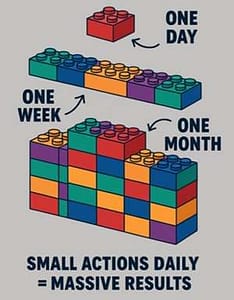
Whether you start with $50, $100, or more each month, making regular contributions can help you work towards your long-term financial goals. In addition, consistency can be more important than trying to invest a large amount occasionally. Rather than looking for quick results, a long-term approach gives your money more opportunity to potentially benefit from investment growth and compounding.
Start With an Amount You Can Afford
You do not necessarily need to wait until your income increases before you start investing. Instead, beginning with an amount that fits your current financial situation can help you develop the habit of putting money aside regularly.
For example, one person might start with $50 a month, while someone else may be able to invest $500 or more. Either way, what matters is that the amount is realistic and does not put unnecessary pressure on your everyday finances.
As a result, it can make sense to review your budget before deciding how much you can comfortably invest. Then, as your income changes or your expenses decrease, you can consider increasing your monthly contribution.
Look at Your Overall Finances
Before deciding how much to invest each month, it is also worth looking at your wider financial situation. For example, essential household expenses, existing debt, emergency savings, and other financial commitments should all be considered.
Furthermore, investing money that you may need for everyday expenses could leave you in a difficult position if an unexpected bill comes along. For this reason, having a suitable financial cushion can be an important part of your overall plan.
High-interest debt may also need attention before increasing investment contributions. After all, there is little benefit in choosing an investment amount that looks good on paper if it leaves you struggling to manage your normal monthly expenses.
Time Can Make a Difference
Another important factor when investing is time. Money that remains invested for many years has more opportunity to potentially benefit from investment growth and compounding.
For example, regular monthly contributions can gradually build your total investment over the years. In addition, if your investments generate returns and those returns are reinvested, compounding may potentially increase the value of your portfolio over a longer period.
However, investing is not the same as putting money into a guaranteed savings account. Investment values can rise and fall, and there may be periods when your portfolio loses value.
Therefore, it is important to understand what you are investing in and the risks involved rather than simply focusing on potential returns.
Consistency Matters
When you invest a set amount regularly, you create a routine rather than relying on occasional large investments.
For instance, someone investing $100 every month would contribute $1,200 over a year, before taking any investment growth or losses into account. Over time, increasing that contribution as their circumstances improve could potentially build their investment contributions further.
Most importantly, investing should be approached as part of an overall financial plan rather than as a way to get rich quickly.
How Much Should You Invest Each Month?
There is no universal monthly amount that everyone should invest. Instead, a sensible starting point is an amount you can afford after taking your essential expenses and other financial commitments into account.
From there, you can review your finances regularly and adjust your contribution as your circumstances change. For beginners in particular, developing the habit may be more important than trying to start with a large amount.
Over time, you may become more comfortable with investing, learn more about different types of investments, and develop a better understanding of your own financial goals.
In this guide, we will look at some of the common questions surrounding monthly investing, including how much beginners might consider investing, how compound growth works, and why regular contributions can be useful when building long-term wealth.
Remember that all investments carry risk and returns are never guaranteed. Therefore, do your own research and consider your personal financial circumstances before making any investment decisions. If you are unsure about what may be suitable for you, consider seeking advice from a qualified financial professional.
Frequently Asked Questions
1. How much should I invest each month to build wealth?
The amount you should invest each month depends on your income, expenses, and financial goals. For example, many beginners start with an affordable amount such as $50 or $100 per month and gradually increase their contributions as their income grows.
2. Is investing a small amount every month worth it?
Yes, small monthly investments can potentially grow over time through compound growth. However, investment returns are not guaranteed, and the results will depend on factors such as investment performance and how long you remain invested. Therefore, consistency and a long-term approach are important considerations.
3. How much of my income should I invest each month?
A common guideline is to aim for around 10% to 20% of your income if your budget allows. However, this is only a general guideline, and the right amount will depend on your personal financial situation, expenses, and future goals.
4. Can I build wealth by investing $100 a month?
Yes, investing $100 per month can help you build your investment portfolio over the long term. However, the eventual result will depend on investment performance, market conditions, fees, and how long you continue investing. As with all investments, returns are not guaranteed.
5. What is the best monthly investment strategy for beginners?
A sensible starting point is to invest consistently, understand the investments you choose, and focus on your long-term goals. In addition, diversification may help reduce reliance on a single investment or asset. Most importantly, beginners should understand the risks before committing their money.
6. How long does it take to build wealth through monthly investing?
Building wealth takes time and patience. Generally, the timeline will depend on how much you invest, investment performance, and how long you remain invested. As a result, consistent investing over many years may provide more opportunity for your contributions and potential returns to accumulate.
7. Should I invest monthly in stocks, crypto, or other assets?
The right investment choice depends on your goals, knowledge, financial situation, and risk tolerance. For example, some investors choose to diversify across different asset classes rather than relying on a single type of investment. However, different assets carry different levels of risk, so research is important before investing.
8. What is the power of compound growth when investing monthly?
Compound growth means that investment returns can potentially generate additional returns when they remain invested. Over time, this can have a greater effect because the growth can build upon previous growth. However, compounding does not remove investment risk, and actual returns can vary.
9. Can beginners start investing with little money?
Yes, many people begin investing with relatively small amounts and increase their contributions over time. In fact, starting with an amount you can comfortably afford may help you develop consistent investing habits. Later, you can review your budget and decide whether increasing your contribution makes sense.
10. What is the biggest mistake people make when investing monthly?
One potential mistake is making emotional decisions based on short-term market movements. For example, some investors may become concerned during market downturns and stop investing altogether. Instead, having a clear strategy and understanding the risks of your investments can help you make decisions based on your overall financial plan.
My Recommendation:
Explore Jet-Up & TAG Markets
If you are also interested in learning about trading, another option you may want to research is Jet-Up and TAG Markets.
The platform offers access to trading-related tools and services, while Jet-Up provides additional features connected with the wider trading ecosystem. However, trading is different from long-term investing, and it comes with its own risks.
For this reason, anyone considering a trading platform should take time to understand how it works, review the available information, and only use money they can afford to risk.

At the time of writing, there is also a welcome promotion involving a $150 deposit and a $100 bonus, with access to up to $6,000 in trading leverage based on 24x leverage. However, leverage can increase both potential gains and potential losses.
Therefore, anyone considering the offer should read the terms carefully and understand the risks before deciding whether it is suitable for them. This is not a recommendation to trade, and past performance or promotional terms should not be treated as a guarantee of future results.

Disclaimer Compliance:
Disclaimer: This article is for educational and informational purposes only and is not financial or investment advice. All investments carry risk, and you could lose some or all of your money. Always do your own research and consider seeking advice from a qualified financial professional before making investment decisions. Never invest more than you can afford to lose.
Social Share